The UAE’s cultural capital and most affordable freehold entry point — direct connectivity to Dubai, family-oriented communities, and steadier, value-led pricing. Here is the full investment case.
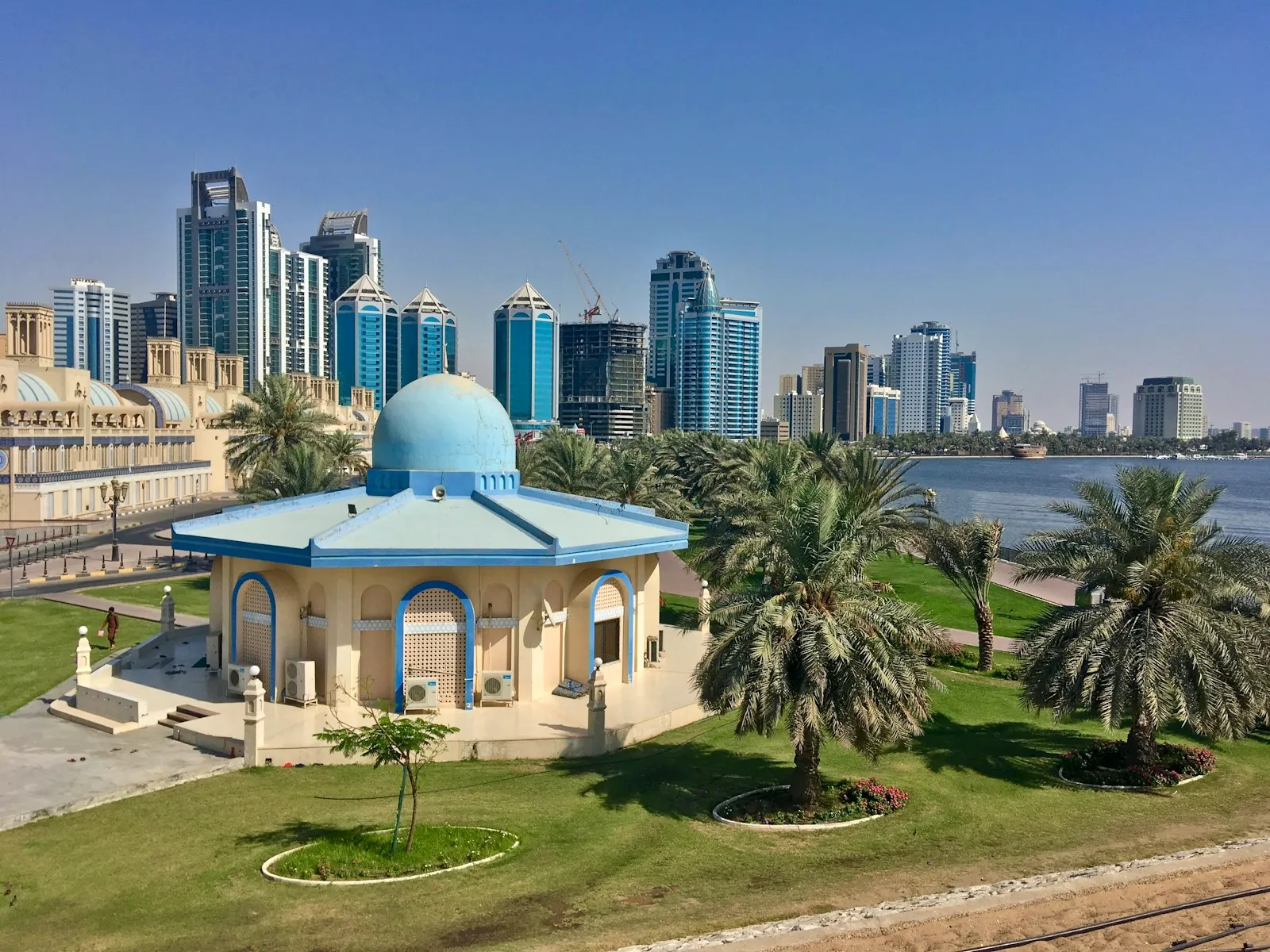
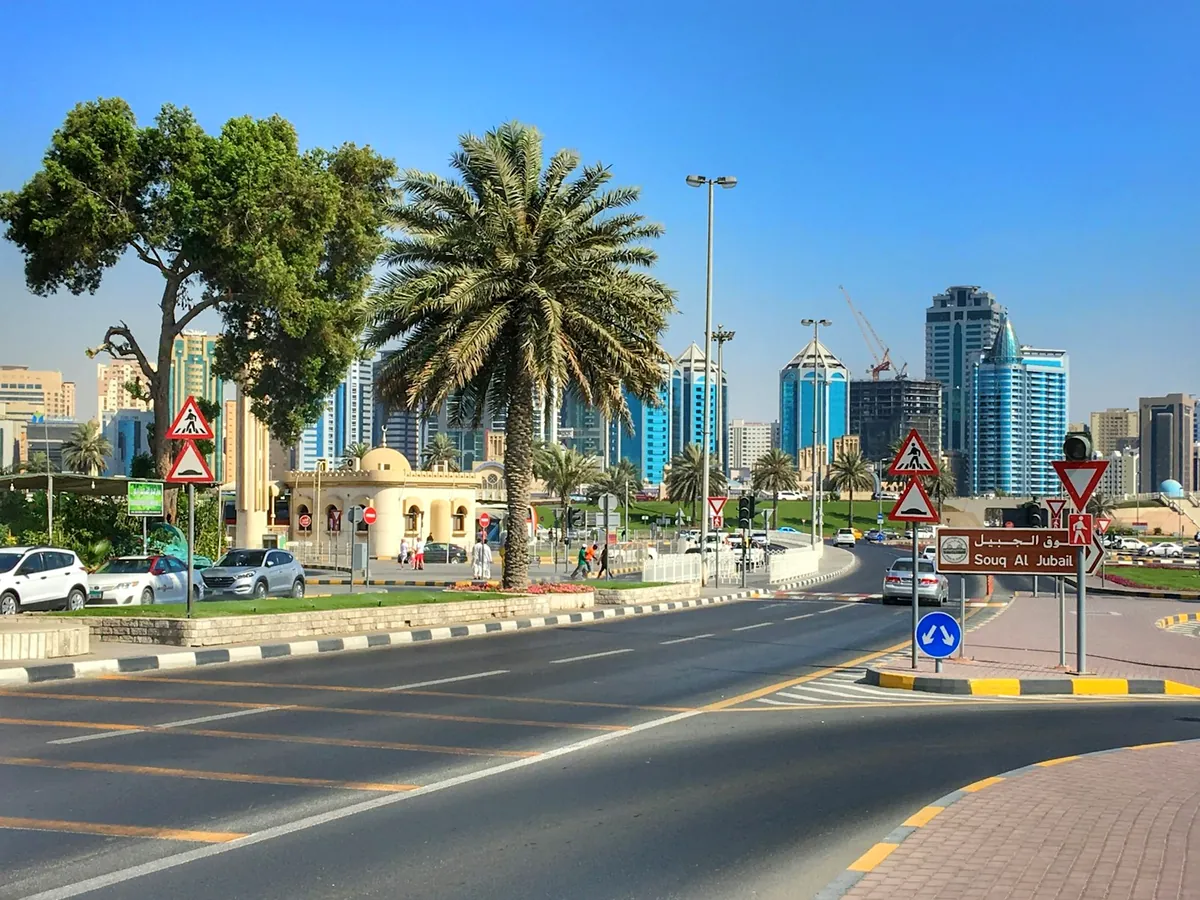
Sharjah is the UAE's third-largest emirate and its recognised cultural capital — the only UAE city to hold UNESCO World Book Capital status. Property values here have stayed comparatively steady rather than surging, with the apartment sales index roughly flat over the past year, which is exactly the appeal: a lower-cost, more conservative entry point minutes from Dubai's job market and infrastructure.
SharjahSharjah's apartment sales price index moved just 0.33% month-on-month and sat 3.46% lower year-on-year as of April 2026 — a stable, less speculative market compared with Dubai or Ras Al Khaimah's sharper swings. For investors prioritising affordability and a lower entry point over rapid capital growth, that stability is a feature, not a weakness.
Freehold zones remain more limited than Dubai's, Abu Dhabi's or RAK's, but have expanded meaningfully in recent years as the emirate opens further to foreign investment — we track which zones are genuinely open before sourcing any Sharjah opportunity.
Shurooq — the Sharjah Investment and Development Authority — leads Sharjah’s economic diversification, with a distinct emphasis on cultural, eco-tourism and heritage-led development alongside standard free-zone activity.
Six free zones offer zero corporate and personal income tax, and no import, export or re-export duties — anchored by Sharjah Airport International Free Zone (SAIF), home to 8,000+ companies from 160 countries.
EstablishedSharjah's investment and development authority, driving cultural, environmental and economic diversification projects across the emirate.
ActiveSharjah's University City hosts more than 22 colleges and universities, making the emirate arguably the UAE's single strongest concentration of higher education.
EstablishedSharjah International Airport has its own dedicated free zone (SAIF) and growing passenger and cargo volumes, while the E11 and E311 highways connect directly into Dubai — a genuine dual-city commute for many Sharjah residents.
SharjahSharjah's University City is arguably the UAE's genuine higher-education hub — a real differentiator against its lower-key property market.
“Sharjah won't post Ras Al Khaimah's growth numbers. What it offers instead is the UAE's most affordable freehold entry point, a short drive from Dubai's job market, in one of the region's most culturally established cities.”
Book a call and we’ll bring you current, vetted Sharjah opportunities with honest, property-specific numbers.
*Figures are drawn from public sources including the Dubai Land Department (DLD), REIDIN, Global Property Guide and reported developer data. Forecasts and indices are third-party projections, not guarantees; property values and rents can fall as well as rise. This is general information, not financial, tax or immigration advice.
Yes, within a growing number of designated freehold zones including Al Majaz, Tilal City, Maryam Island and Al Zahia — though the list is more limited than Dubai's, and expanding more recently. We confirm current freehold status before sourcing any Sharjah opportunity.
It suits investors prioritising affordability and stability over rapid capital growth — prices have stayed comparatively flat rather than surging. A significant renter pool commutes into Dubai daily, supporting steady residential rental demand.
Roughly 25 to 40 minutes by car depending on route and time of day, connected by several major highways — close enough that many Dubai workers choose to live in Sharjah for the lower cost of living.
Yes — the AED 2m threshold is a federal rule, so qualifying Sharjah property counts the same as qualifying Dubai property toward the 10-year UAE Golden Visa.