The UK’s leading tech cluster, a world-class aerospace base, chronic undersupply — and just over 90 minutes to London.
Bristol is the UK’s leading tech cluster — Bristol & Bath generate more sales per worker than London — with a world-class aerospace and engineering base, one of England’s tightest rental markets, and around 1h40 to London Paddington, at prices well below the capital.
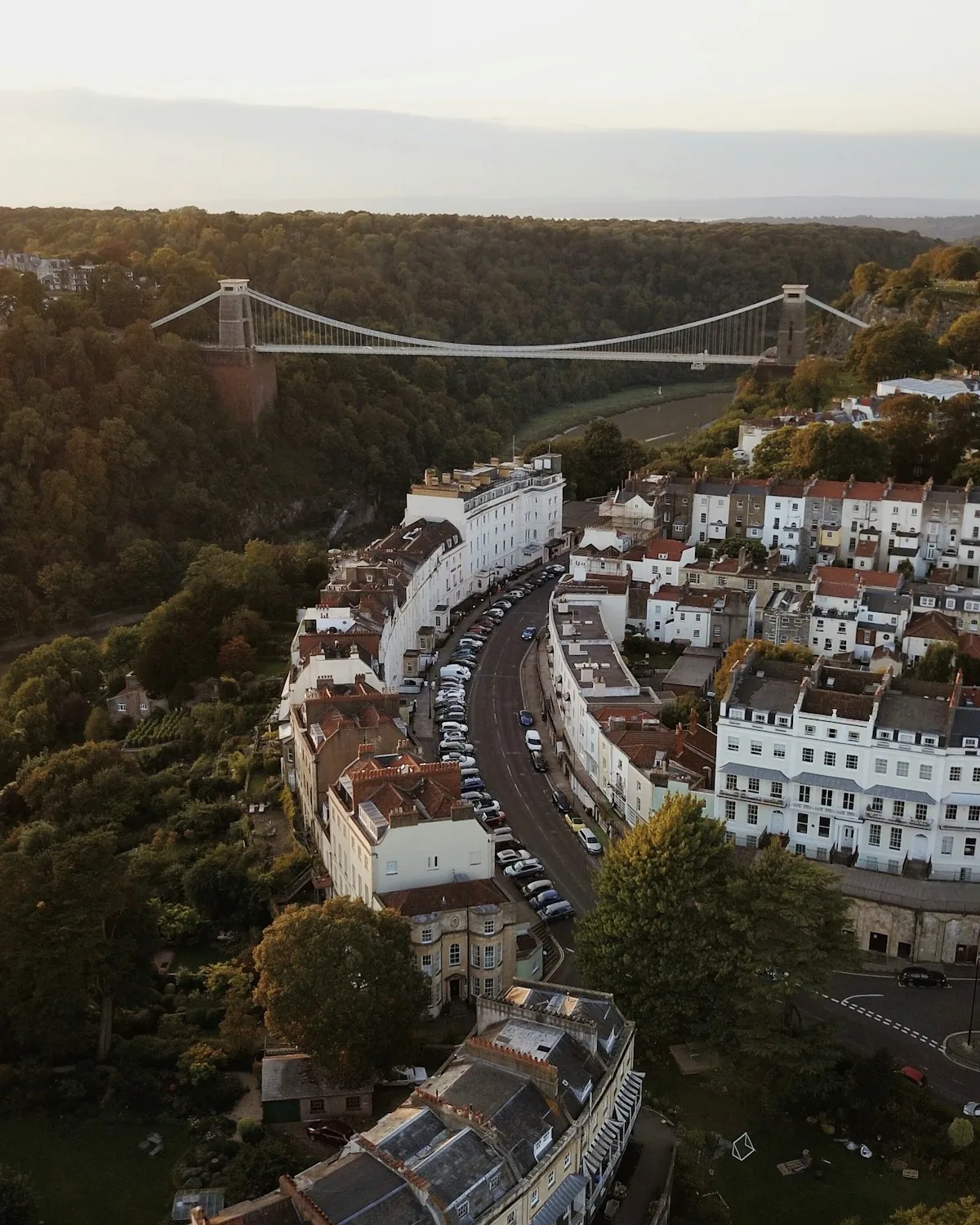
Clifton Suspension BridgeBristol’s biggest regeneration in a generation is rising beside Temple Meads — backed by government and the metro mayor.
A landmark regeneration beside the main station — 10,000+ homes, 22,000+ jobs.
Partner selectionBristol University’s new enterprise campus, opened 2025, catalysing the district.
OpenA new neighbourhood (6,500 homes) and a 19,500-capacity arena on the former airfield.
BuildingA 15-hectare framework for new homes and employment space.
Endorsed 2024A long-term plan for new homes and flood defences on the harbourside.
ConsultationNew and reopened stations expanding regional rail capacity.
Phase 2With chronic undersupply, strong employment and major infrastructure, Bristol’s consensus outlook is around 3–4% growth a year — roughly 15–25% over five years.
A mixed tenant base of tech, aerospace and financial-services professionals, a large student population (68,000+) needing an estimated 20,000 further rooms, and families priced out of buying in good catchments.
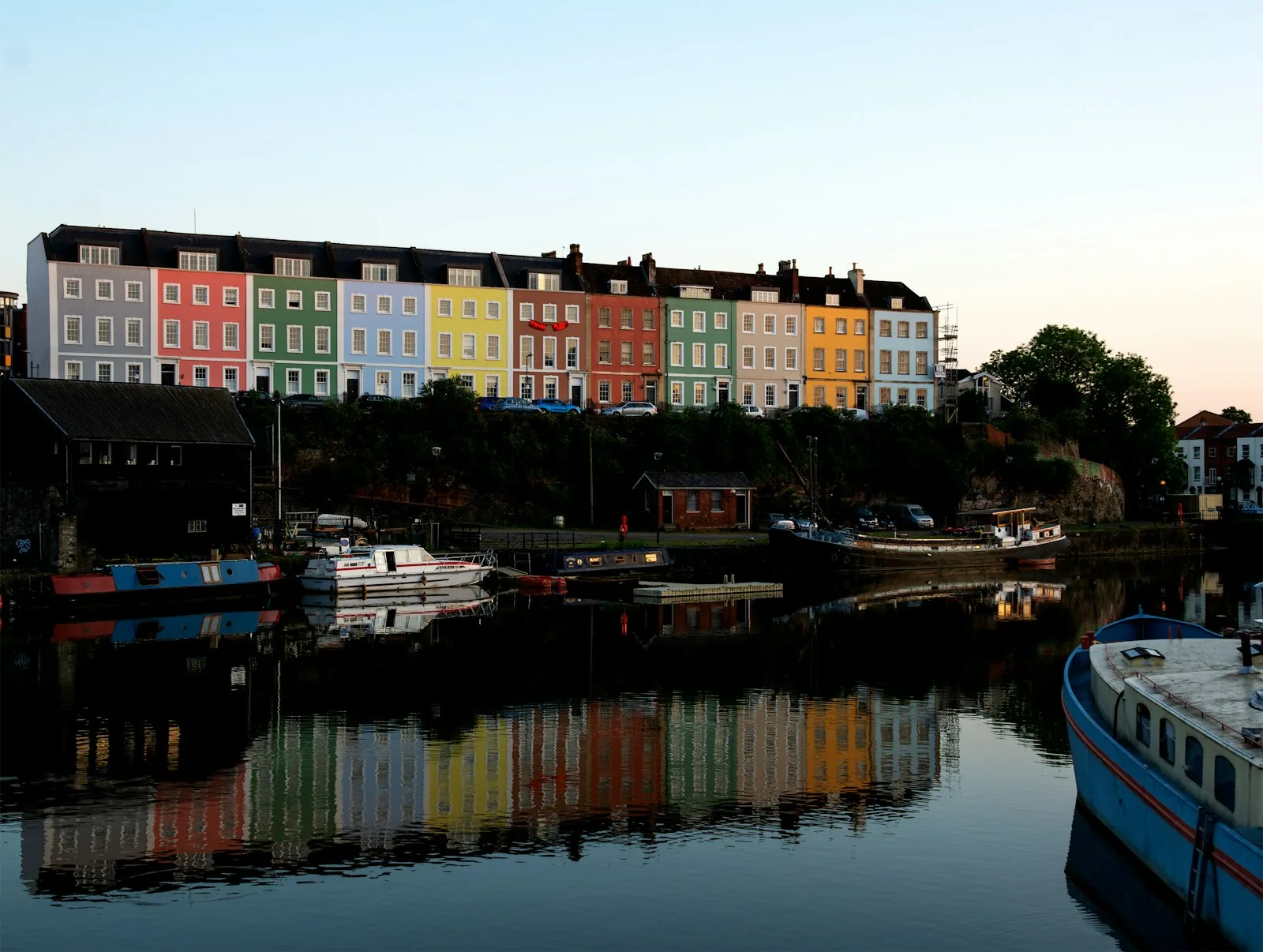
Every area here sits inside the BS1–BS2 city-centre postcodes, from the waterfront to the Georgian squares.
Bristol’s flagship waterfront regeneration — the Arnolfini, Millennium Square and M Shed — with premium new-build apartment stock aimed at professional tenants.
A south-bank district next to Temple Meads and the Redcliffe Caves, mixing converted warehouses with new-build — a strong commuter-tenant base given direct rail access.
One of Bristol’s earliest planned Georgian garden squares, a heritage pocket in BS2 a short walk from the city centre.
England’s largest brownfield regeneration site — 135 hectares around Temple Meads station, with the University of Bristol’s new Enterprise Campus opening September 2026 and a 10,000-home pipeline.
A diverse, culturally significant inner-city neighbourhood adjoining Stokes Croft and the city centre, with strong tenant demand from students and young professionals.
A historic gateway street on the edge of the Old City, known for its independent and creative-sector regeneration, directly adjacent to the Temple Quarter enterprise zone.
A deep, sticky graduate talent pool feeds a high-value tech and aerospace economy.
The University of Bristol (Russell Group) and UWE (36,000+ students) feed one of the UK’s most graduate-heavy cities — 58% of working-age residents hold a degree, 14 points above the national average.
Around 1h40 to London Paddington, an M4/M5 junction, a 10.5m-passenger airport and expanding regional rail.
South West gatewayBristol combines the UK’s leading tech cluster with a world-class aerospace hub and a strong financial-services base.
Major employers with a significant Bristol presence include:
“The UK’s most productive tech cluster, Airbus and Rolls-Royce on the doorstep, a £4bn regeneration and one of England’s tightest housing markets — Bristol is London-adjacent quality at a discount.”
Book a call and we’ll bring you current, fully-vetted Bristol opportunities — with the real, cost-in numbers behind every one.
*Figures are drawn from public sources including ONS, HESA, Savills and JLL. Forecasts are third-party projections, not guarantees; property values and rents can fall as well as rise. Yields and prices vary by property, area and market conditions. This is general information, not financial advice.
Yes — it's London-adjacent, tech-powered and structurally undersupplied, with average yields around 6% and forecast growth of 15–25%. Entry prices (~£355k) are the second-highest on our list after London, reflecting its stronger economic base.
Around 6% gross on average — more modest than the Northern cities, but paired with Bristol's tech and aerospace employment base and consistently low void periods. Model your own figures on our yield calculator.
Temple Quarter (one of the UK's largest city-centre regeneration projects, anchored by a new University campus) and the Brabazon/YTL Arena development at Filton are where the largest current investment is concentrated.
Bristol's economy leans heavily on tech, aerospace (Airbus, Rolls-Royce) and financial services — higher-wage sectors that support higher property prices and rents. It behaves more like a satellite of London's economy than a typical regional city, which is part of the investment case.
No — remote purchasing is straightforward. See our guide for overseas investors.
Yes — ONS recorded rent growth of 7.4% in the year to June 2026, and Bristol’s own council data shows private-rented-sector penetration reaching 53.1% of households in the most central postcode (BS1). A student population of 68,000+ needing an estimated 20,000 further rooms, alongside tech, aerospace and financial-services professionals, keeps underlying demand well ahead of supply.
Non-UK residents pay a 2% Stamp Duty Land Tax surcharge on top of all other applicable rates, which stacks with the standard 5-percentage-point surcharge on additional/buy-to-let properties — so a non-resident buying a second property here pays 7 percentage points above the standard residential rate (GOV.UK; Deloitte TaxScape, current 2025/26 rates). We’ll model the exact figure for any specific property before you commit, and our stamp duty calculator gives you a fast estimate.
One email a month: a shortlist of current, fully-underwritten UK opportunities with real net figures — plus a short read on where the market is moving. No spam, no hard sell, unsubscribe in one click.